MenuMenu
PORTAL.EDU.AZ-

General Education
Is an important area of activity that ensures the acquisition of knowledge, skills and habits by students. -

Extracurricular Education
Extracurricular education is a type of education that ensures the development of interests and skills, improvement of intellectual level, creative abilities and physical capabilities of children, teenagers and young people. -

Vocational Education
Is a priority area that provides the necessary work skills. -

Secondary special education
Provides training of qualified personnel in various arts and mass professions in accordance with the needs of society and the labor market on the basis of general secondary education. -

Higher education
Provides highly qualified specialist training based on full secondary education and secondary vocational education, taking into account the needs of society and the labor market. -

Special Education
Special education ensures the integration of people with disabilities into society, including their preparation for work and family life, by giving knowledge and skills based on state programs. -

Projects
Projects of the Ministry of Education -

Assessments and studies
Ongoing research by the Ministry of Education
Education is the future of the nation!
A session on “Intercultural dialogue, education and digital transformation” was held
28.10.2026 - 16:57
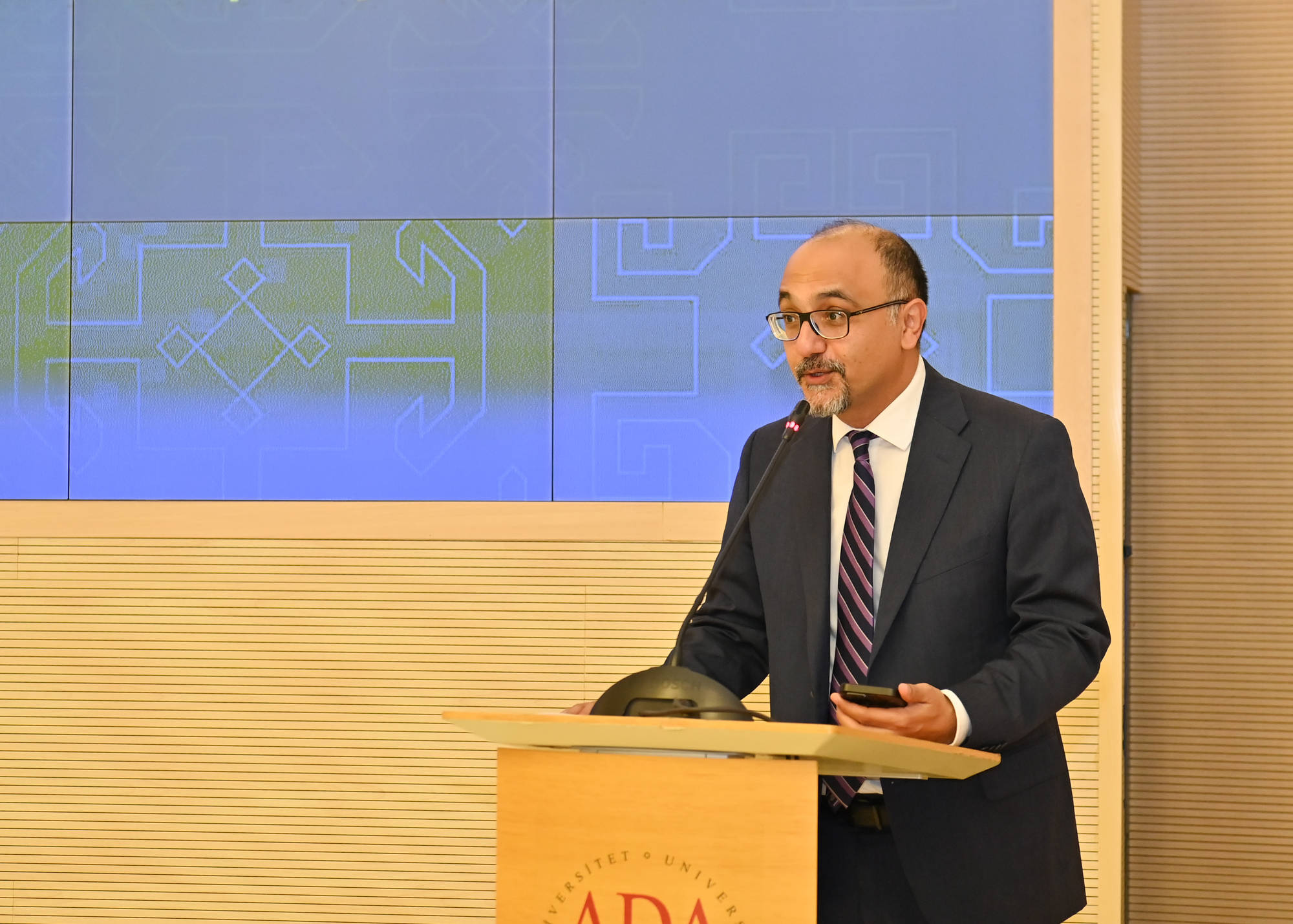
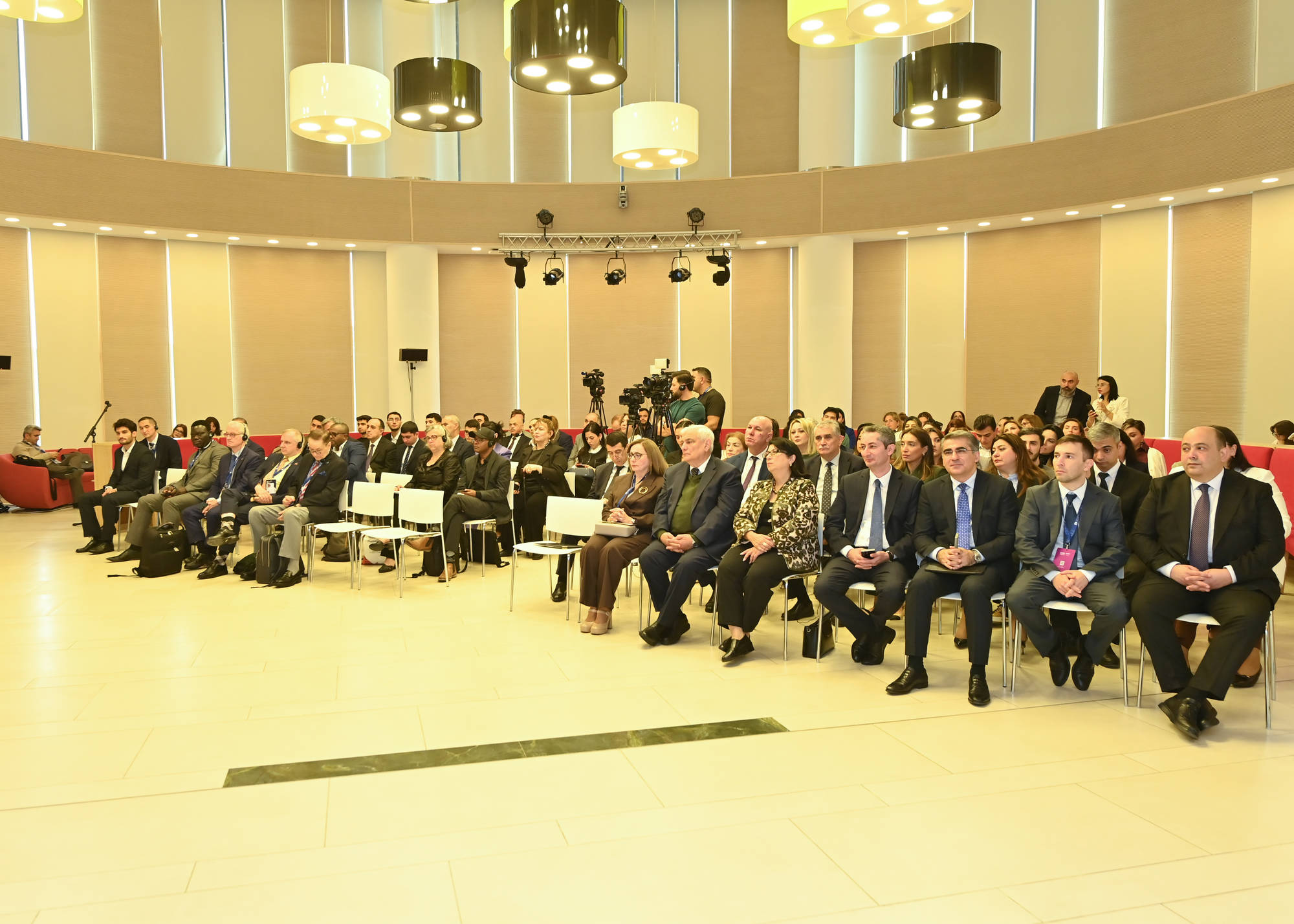
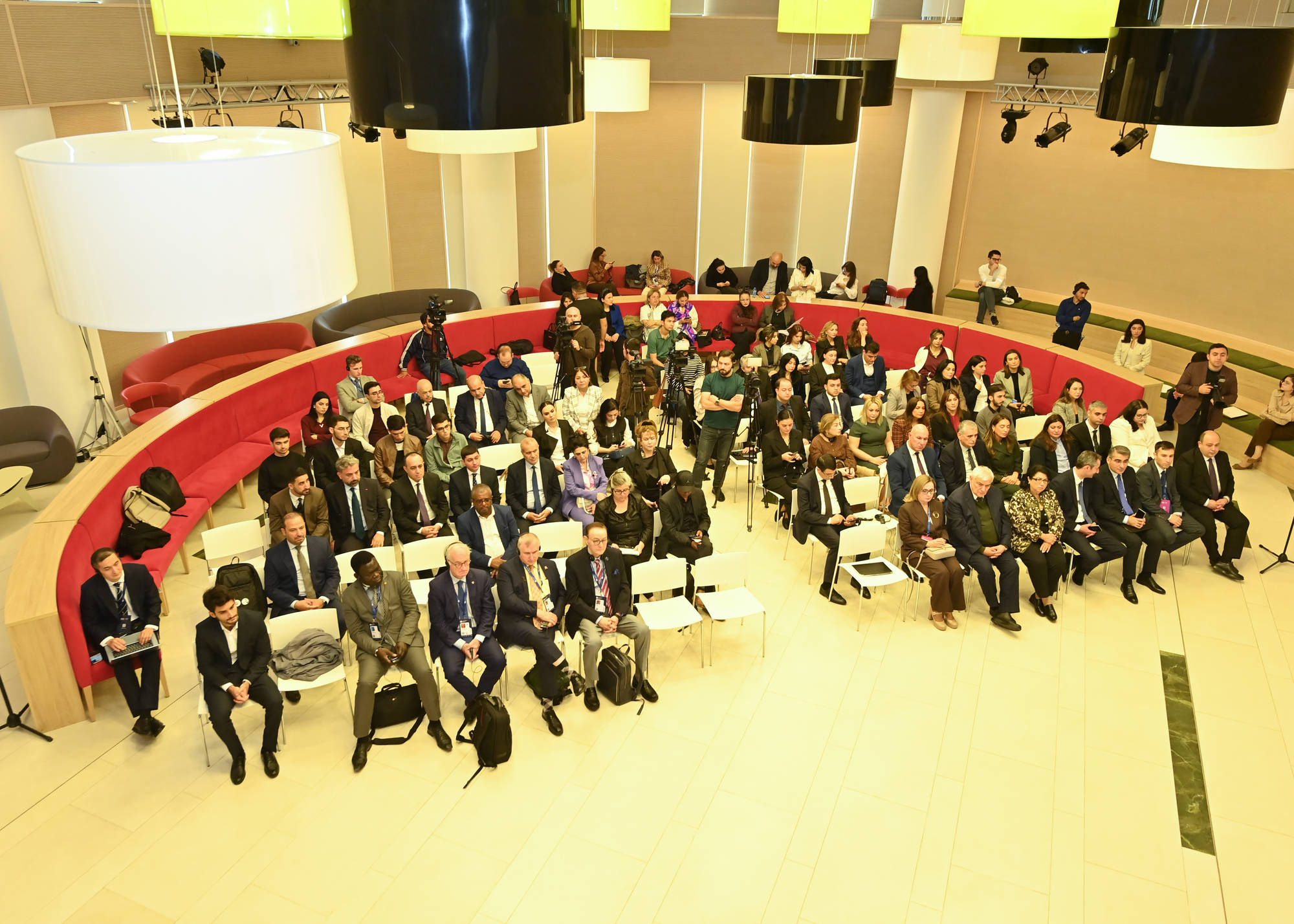
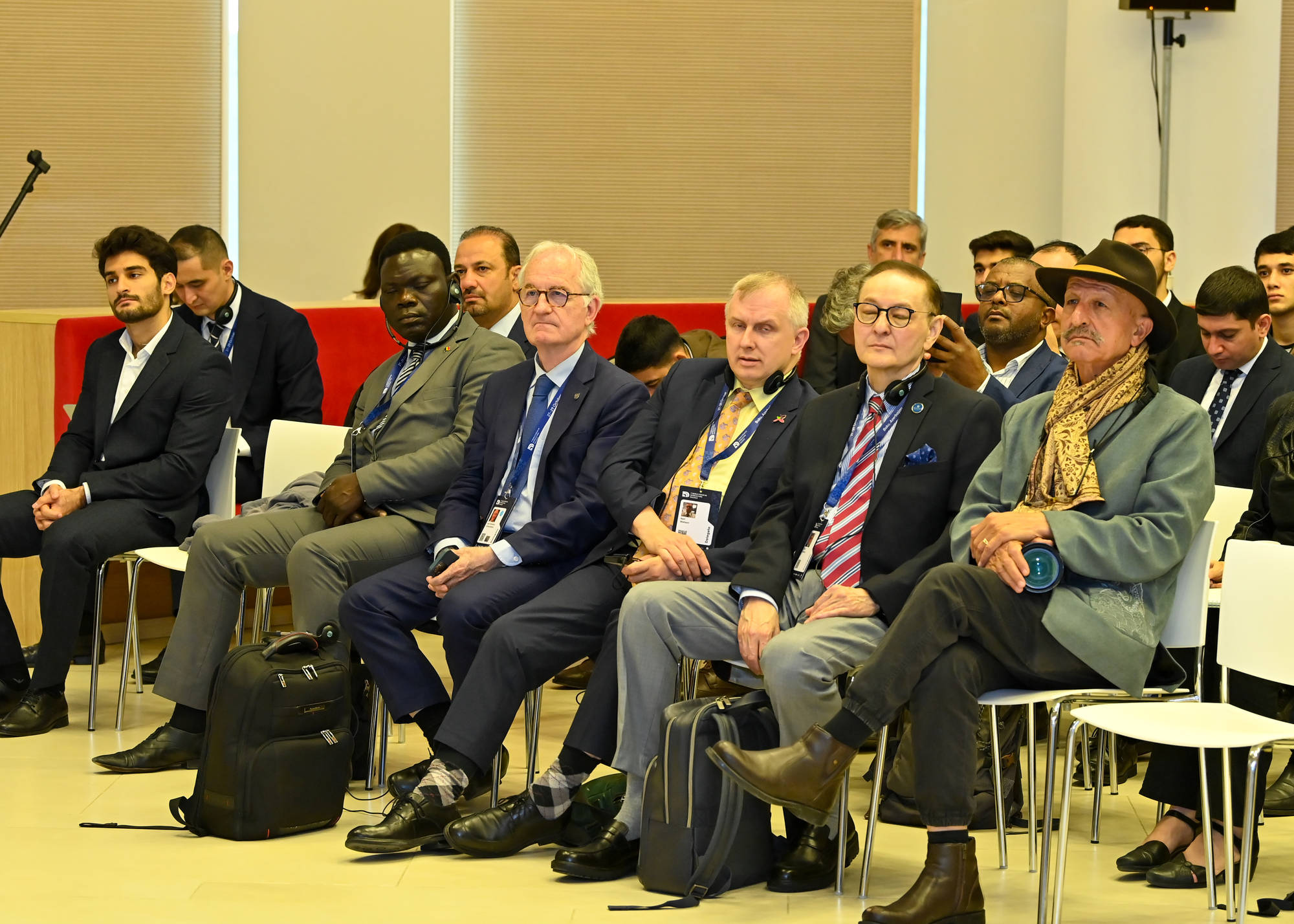
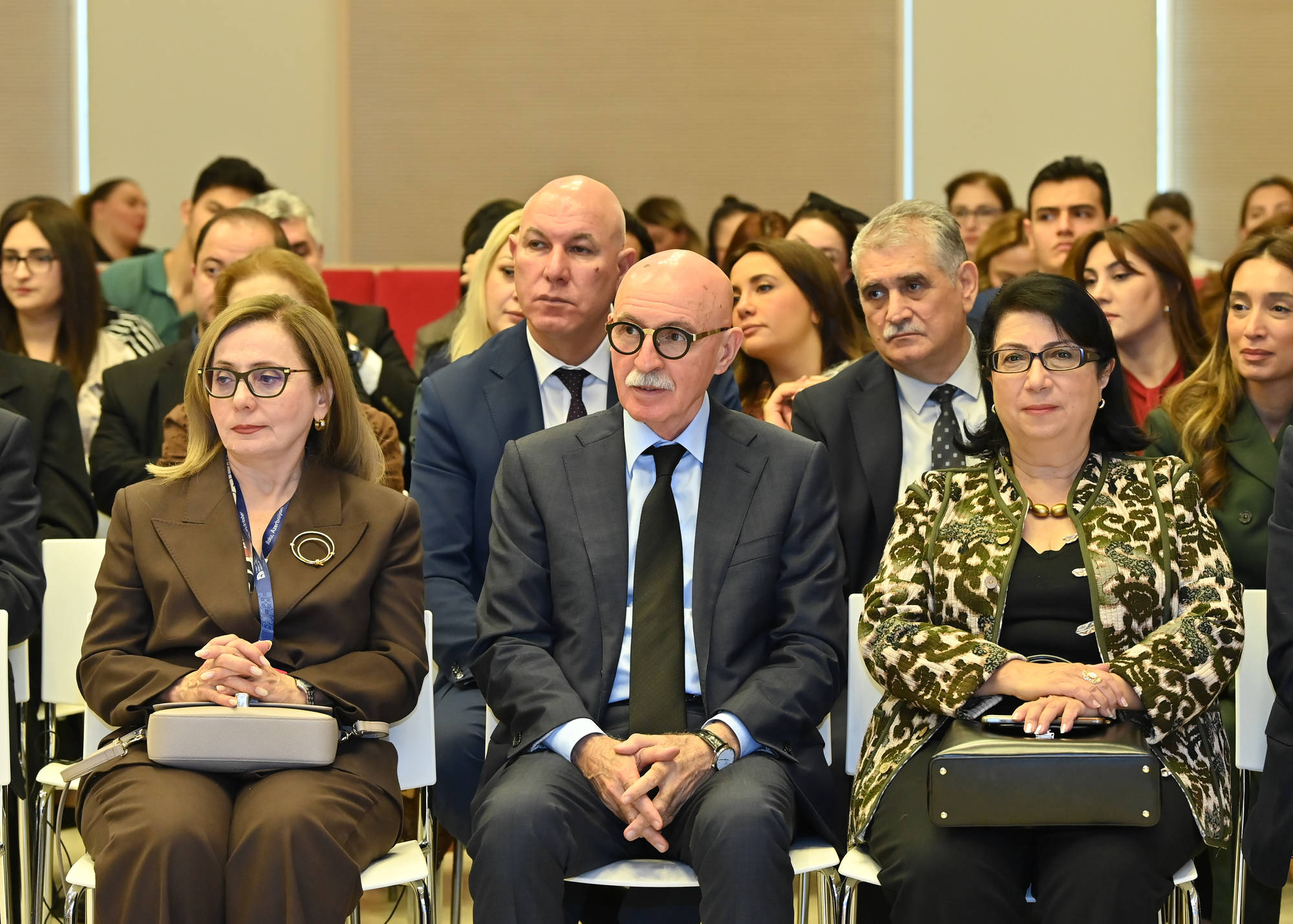
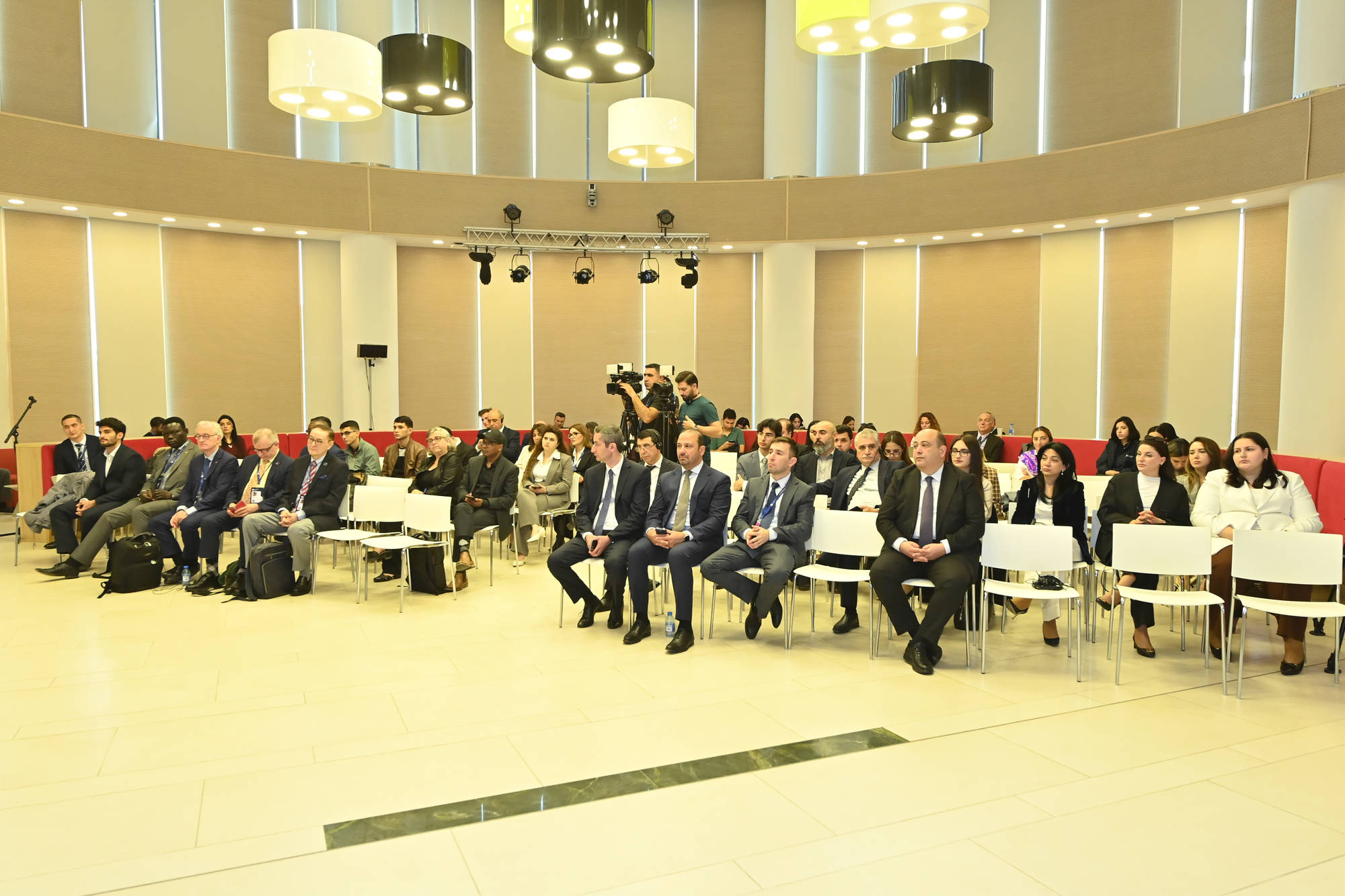
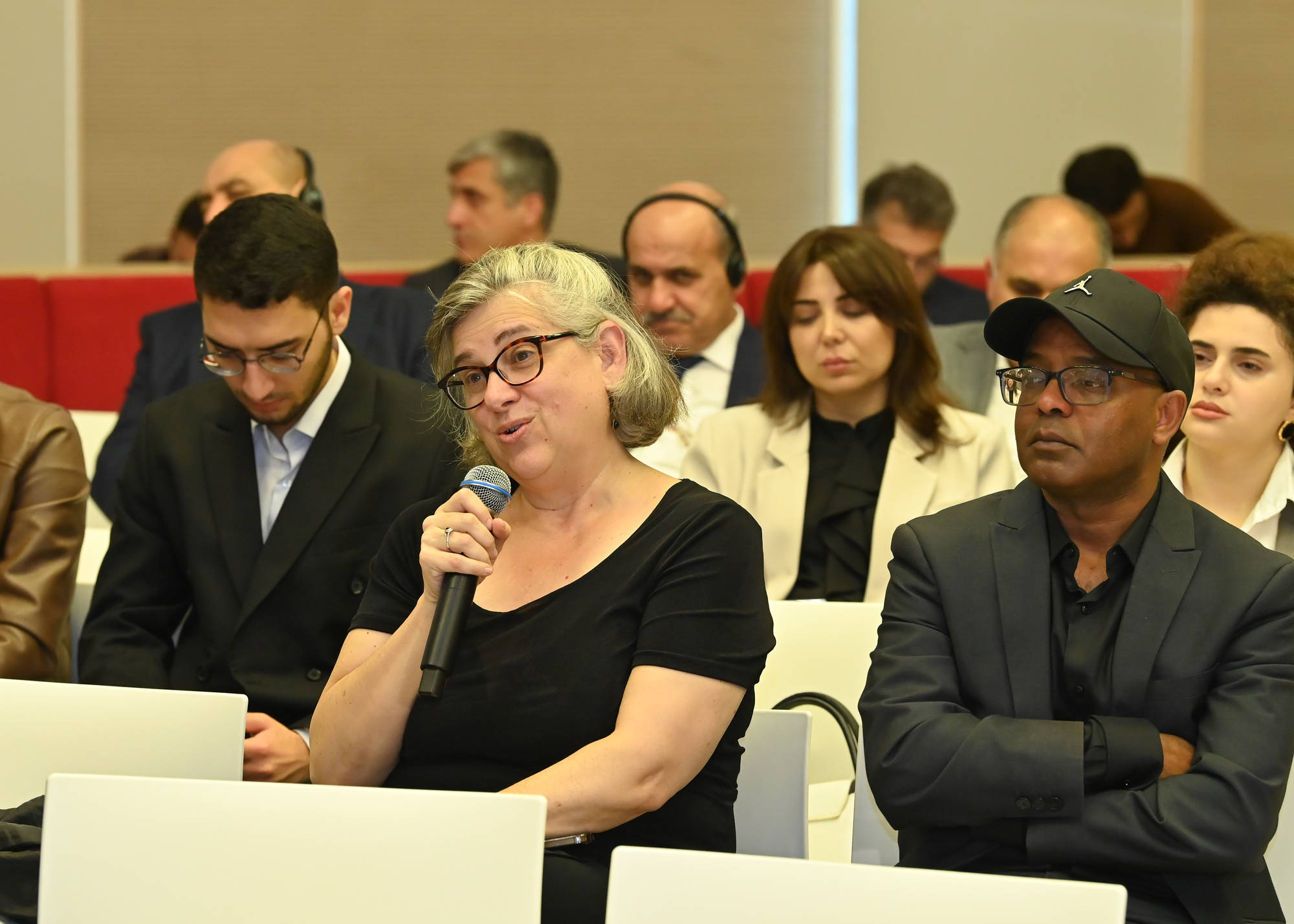
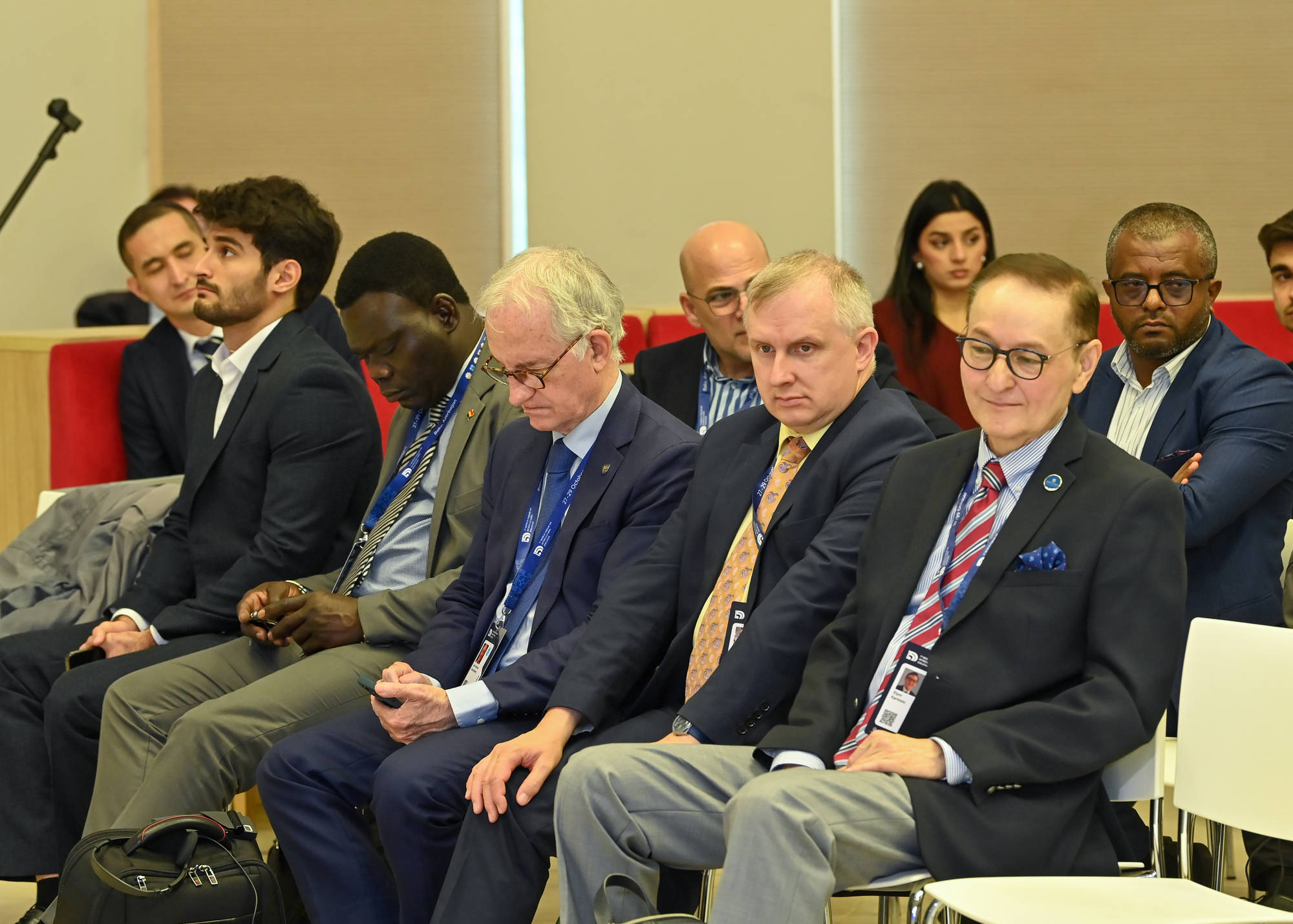
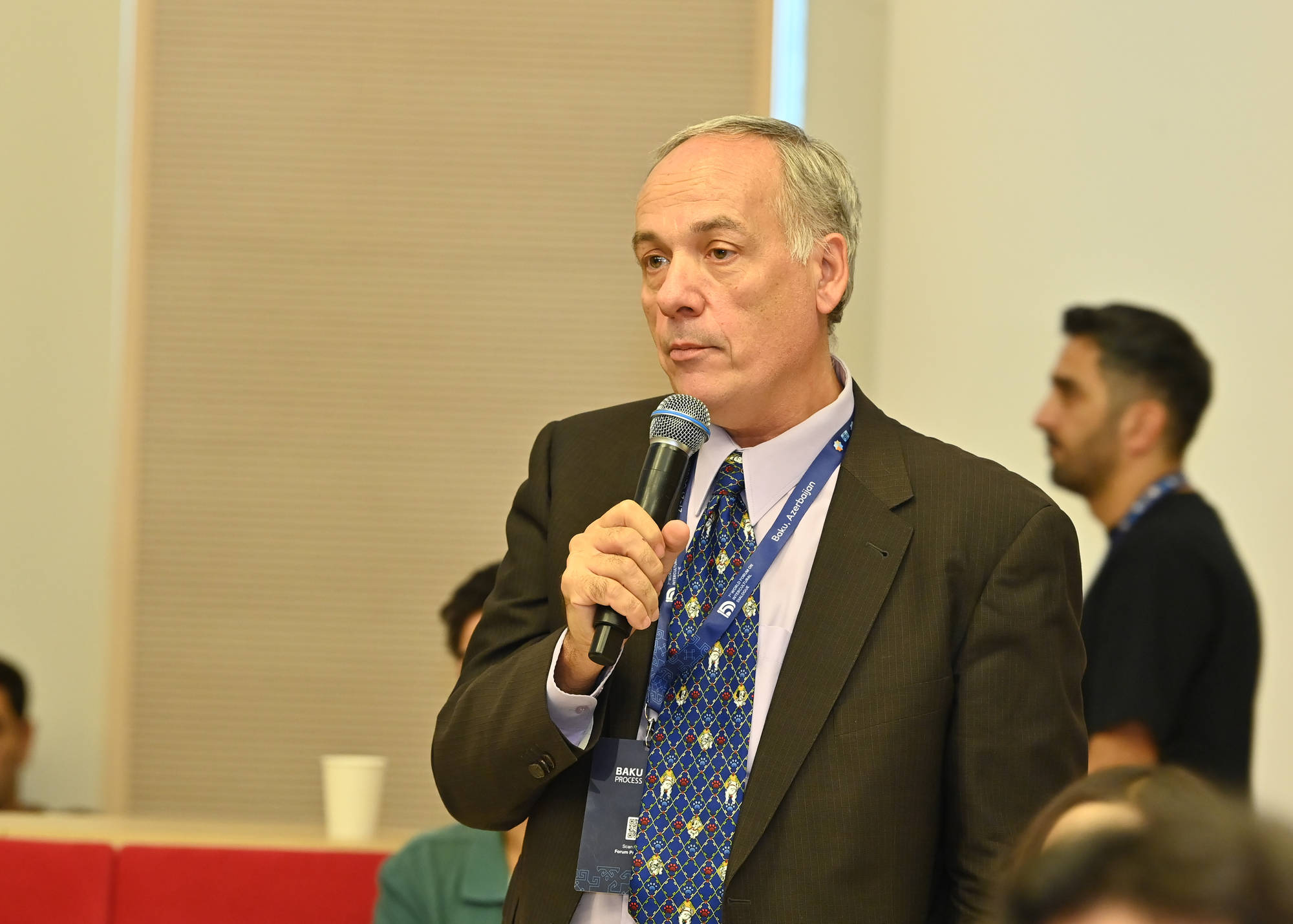
On 28 October, a session dedicated to the subject of “Intercultural dialogue, education and digital transformation” was held at ADA University within the framework of the VII World Forum on Intercultural Dialogue.
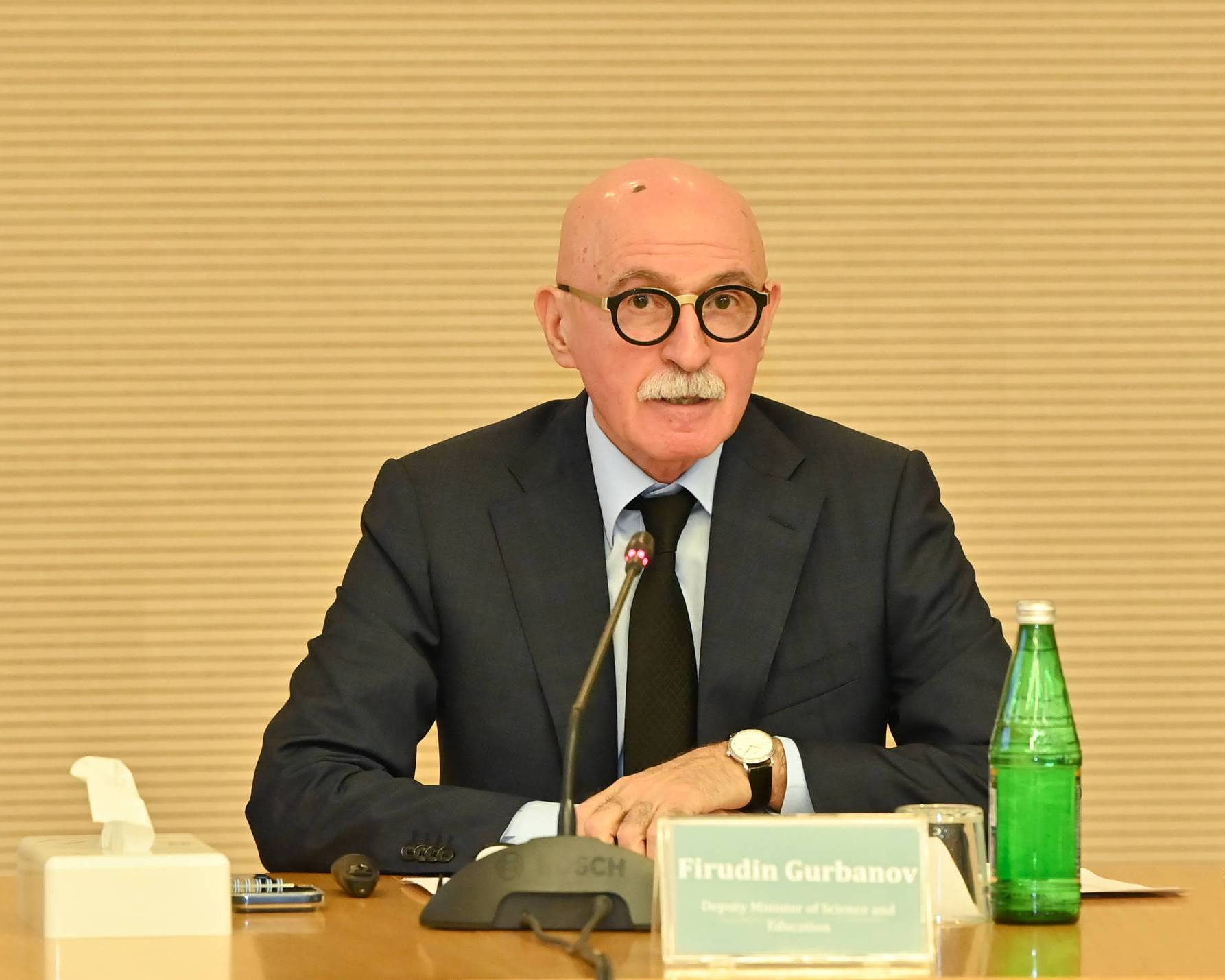
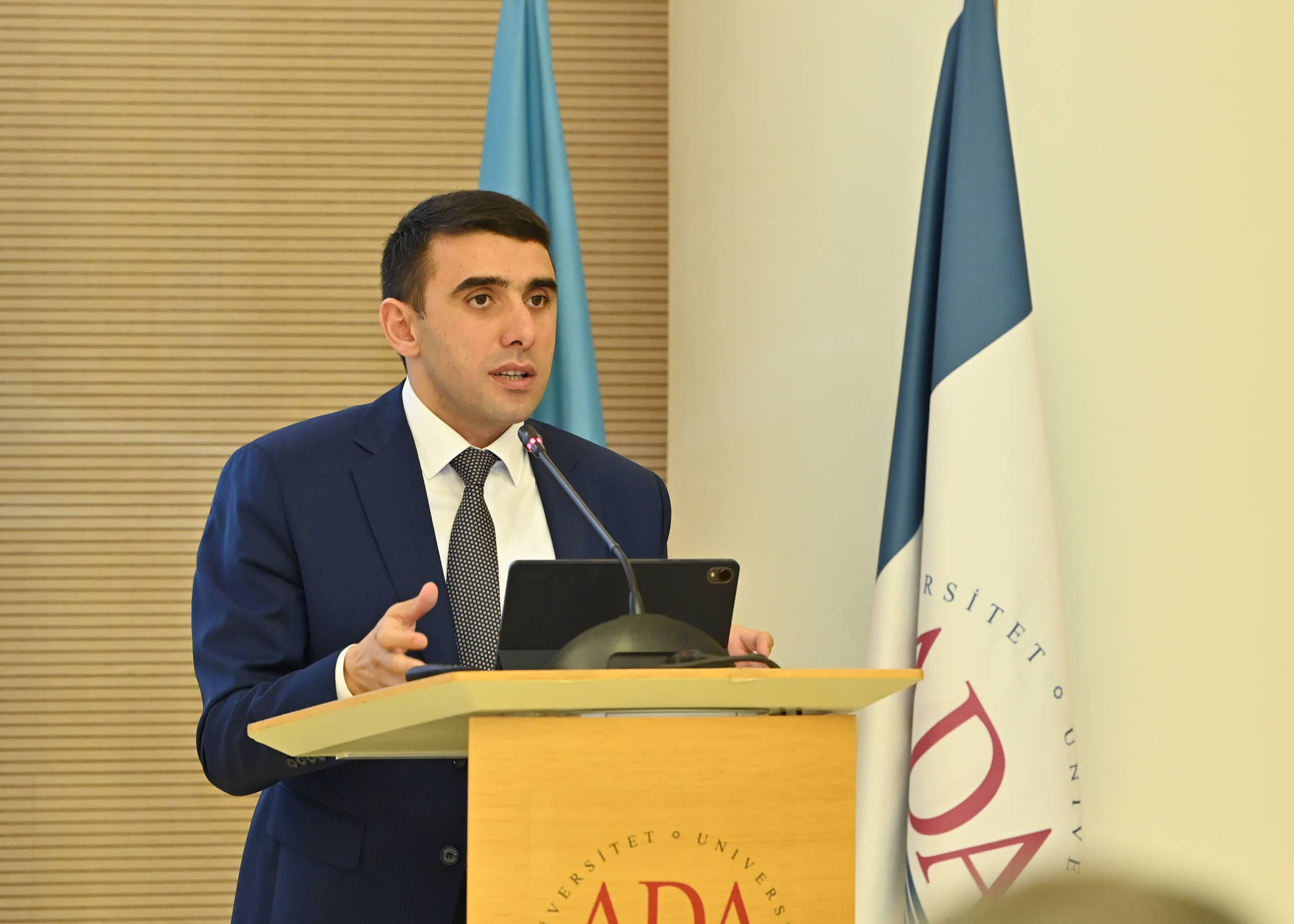
Deputy Minister of Science and Education Firudin Gurbanov, who made speech in the opening part of the session, stated that, the solution to global problems in the modern period largely depends on the type of personality formed in society. According to his words, the national and universal values necessary for the formation of personality having high culture and meeting modern requirements are instilled in society only through education.
Deputy Minister emphasized that, the education and formation of personality with high culture plays an important role in solving of global problems in the modern period. He noted that, technological development, digitalization and artificial intelligence changes the people’s lifestyle and ways of thinking and creates new opportunities especially for youths.
Firudin Gurbanov drew attention to the importance of artificial intelligence in terms of recognition of different cultures, development of intercultural communication and strengthening of mutual understanding. He emphasized the necessity of conducting of researches in this field and integration of science and education approaches.
Deputy Minister also stated that, the unity of “Dialogue – science – education” contributes to becoming of peace initiatives to real social projects and to strengthening of mutual respect and sustainable trust in society.
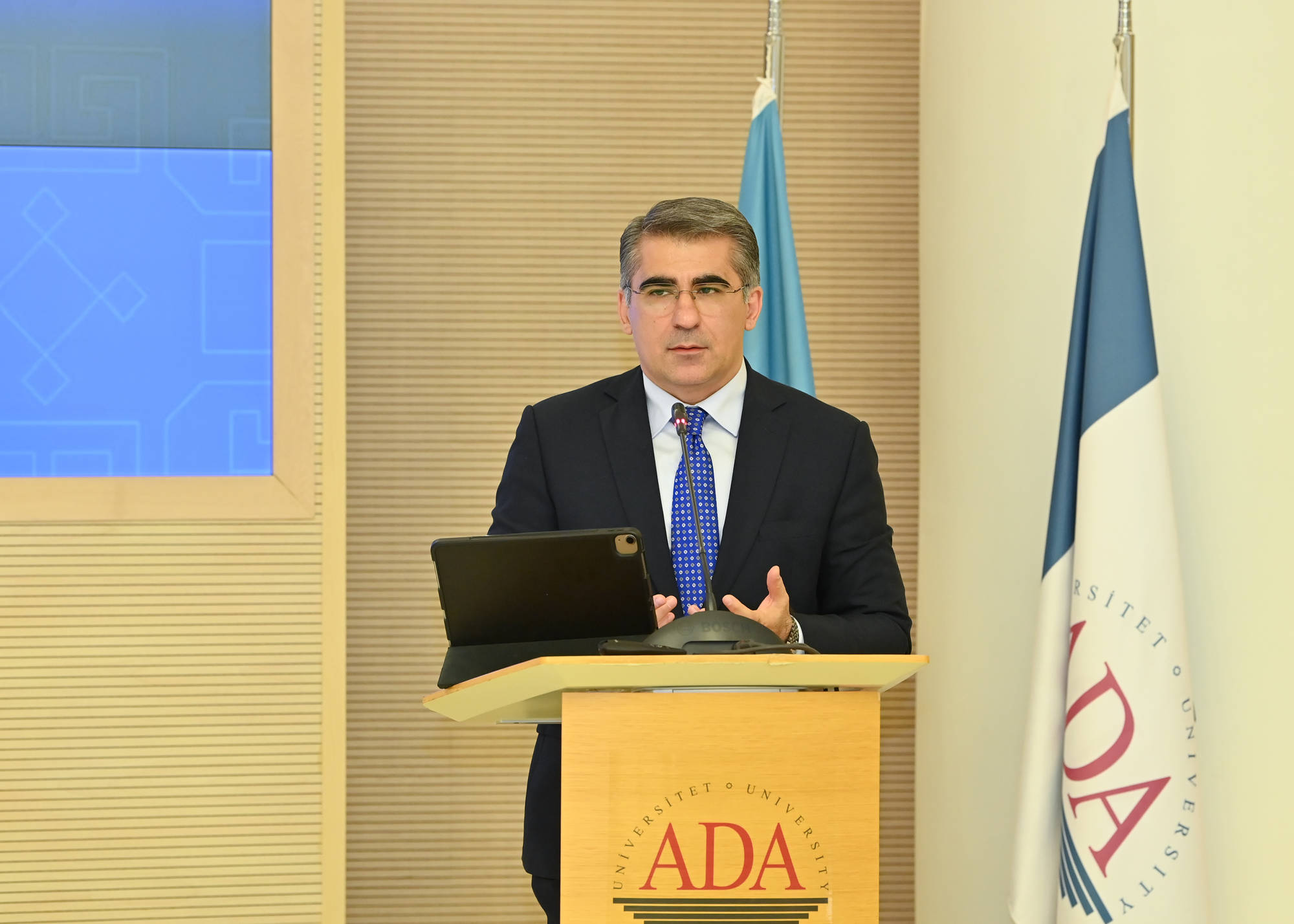
Professor Fateh Mansouri, the Head of the UNESCO Department in Cultural Diversity and Social Justice in Deakin University of Australia, made speech and emphasized the important role of education in elimination of challenges such as extremism, populism, racism and discrimination in the modern world. He noted the necessity of preparation of students, improvement of teachers’ pedagogical approaches and renewal of educational content in modern society where cultural diversity is observed widely.
The professor drew attention to the importance of mutual trust, social solidarity and justice in terms of social development, peace and the peaceful solution of discrepancies. He also stated the importance of strengthening of the connection between education and the needs of society by using the opportunities created by artificial intelligence and digital transformation.
Then, the first panel was held under moderation of Anar Valiyev, the associate professor in ADA University.
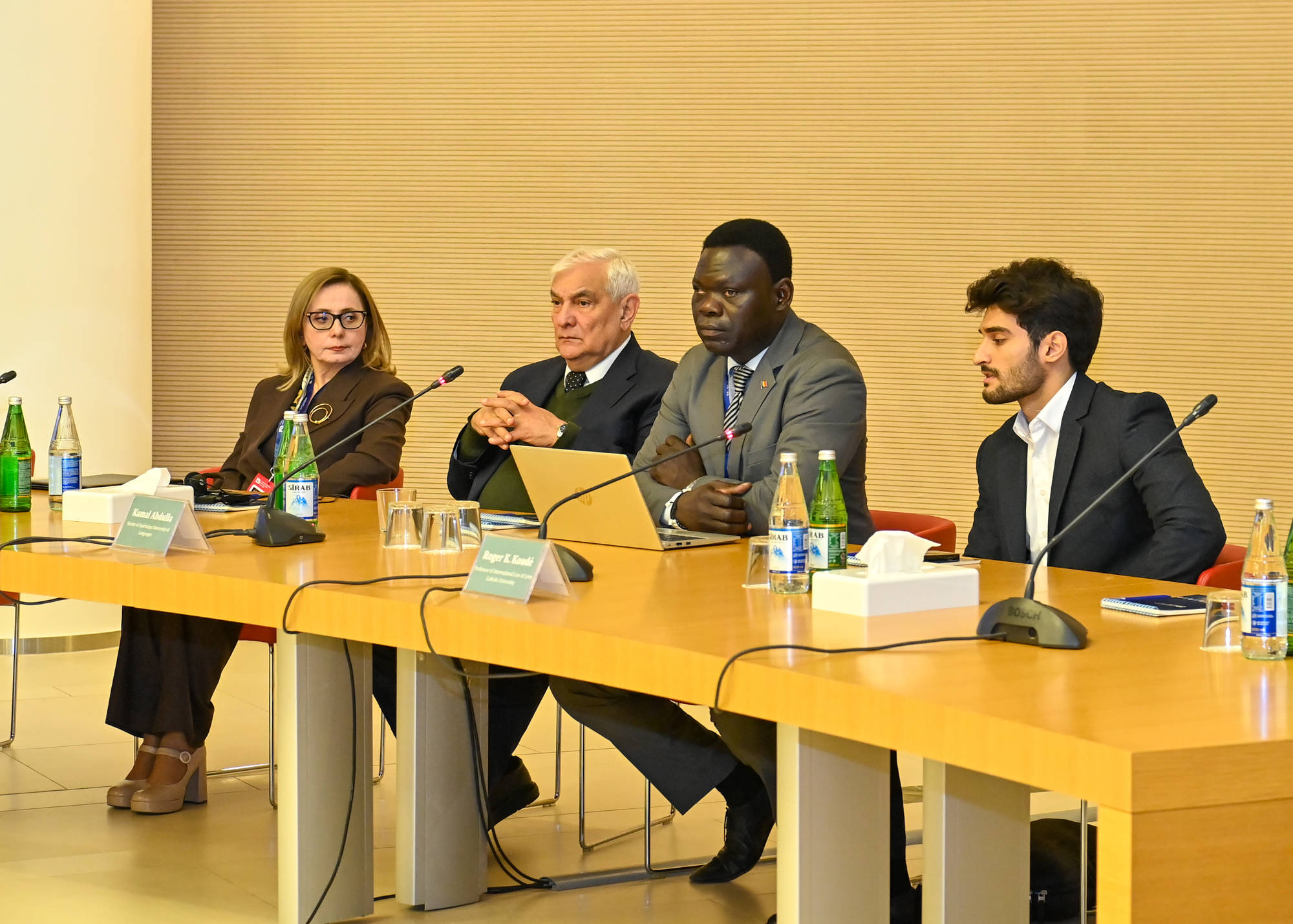
Kamal Abdulla, the rector of the Azerbaijan University of Languages, made speech on the subject of “Intercultural communication as one of the factors of educational development” within the framework of the panel. He stated that, multiculturalism has deep roots in the history, culture and literature of the Azerbaijani people. He emphasized that, the tradition of respecting of different cultures and their accepting is reflected in the moral values of our people. The rector noted that, the multiculturalism model of Azerbaijan is internationally recognized and serves to develop relations between various nations, youths and scientists, as well as to strengthen intercultural dialogue.
Kamila Dadash-zada, the rector of Azerbaijan National Conservatory, emphasized the importance of digital archiving, scientific research and international recognition of traditional musical heritage in her speech on the subject of “From national culture to global synergy: new paradigms of intercultural dialogue”. She noted the importance of provision of international audience with national music traditions by preserving their specific features.
The rector touched upon the role of scientific cooperation in the international research of mugham and brought to attention the importance of development of joint research and creative projects, as well as integration of international cooperation to higher music education. She also stated that, the preservation of national musical heritage and its connection with modern art directions must complement each other.
Roger Koude, the professor of international law in Lyon Catholic University of France, emphasized in his speech on the subject of “Memory, cultures and intercultural relations” the importance of respect for cultural diversity in provision of international peace and security, promotion of fundamental human rights and strengthening of relations between societies. He noted the importance of determination of practical mechanisms for intercultural dialogue to make a real contribution to peace, stability and international security. The professor also stated that, every culture contributes to common heritage of the humanity and drew attention to the importance of development of equal cooperation and mutual relations among world cultures.
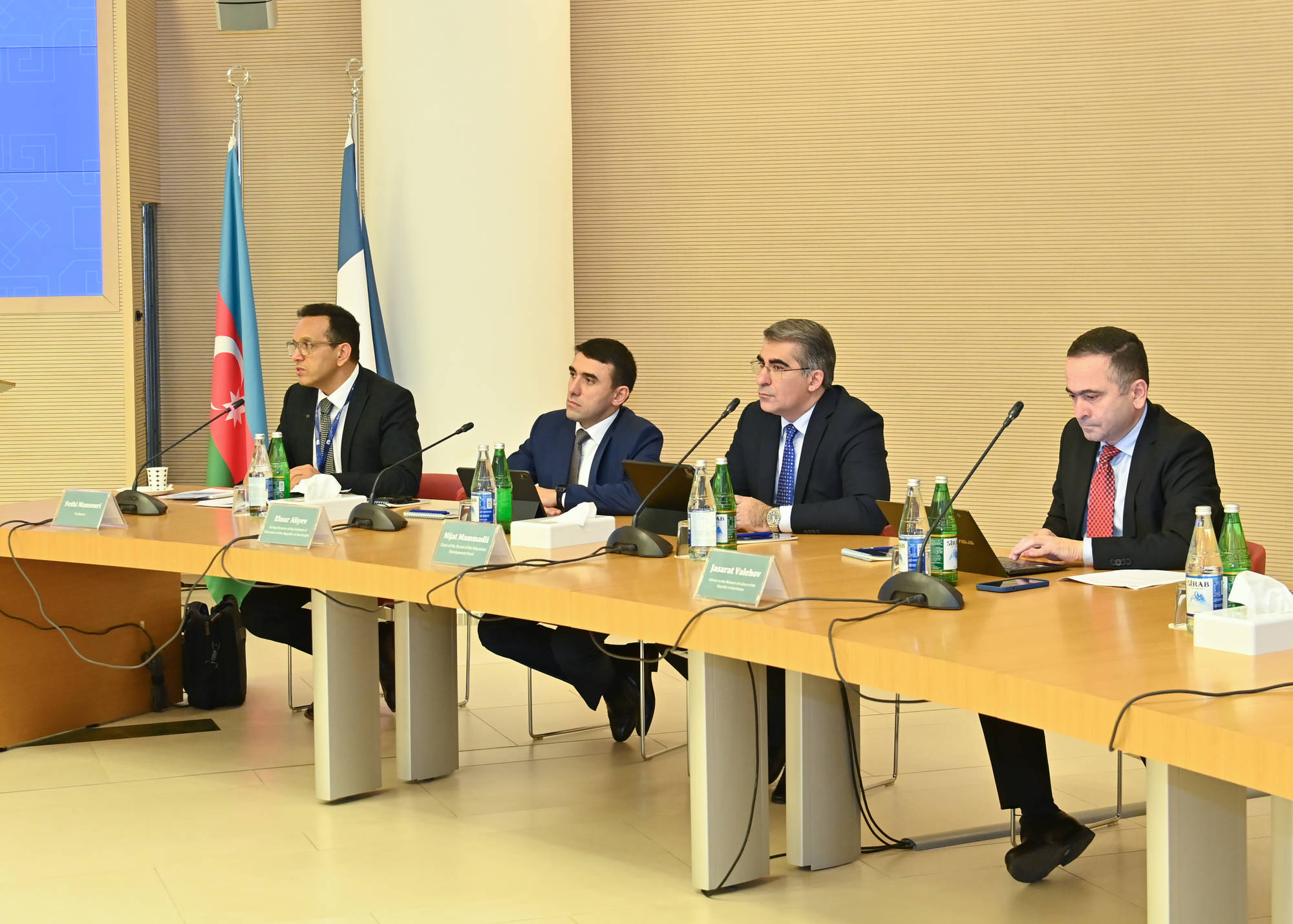
A panel discussion was held in the second part of the session under moderation of professor Fateh Mansouri, the head of the UNESCO Department in Cultural Diversity and Social Justice in Deakin University of Australia.
Elnur Aliyev, acting Director of the Institute of Education and advisor of the Minister of Science and Education, Nijat Mammadli, the Chairman of the Board of Directors of the Education Development Fund and Jasarat Valehov, the advisor of the Minister of Culture, participated in the panel discussion.
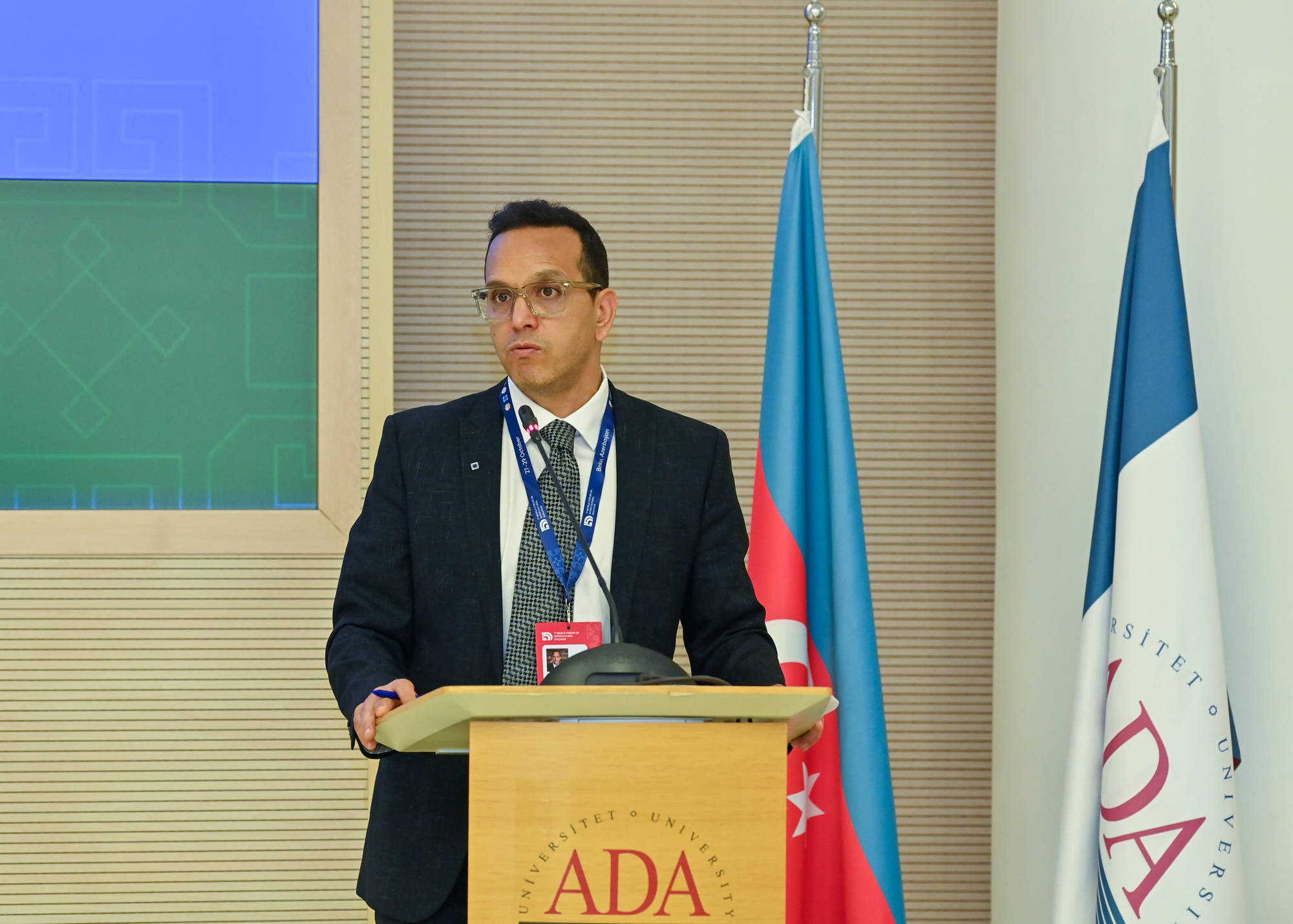
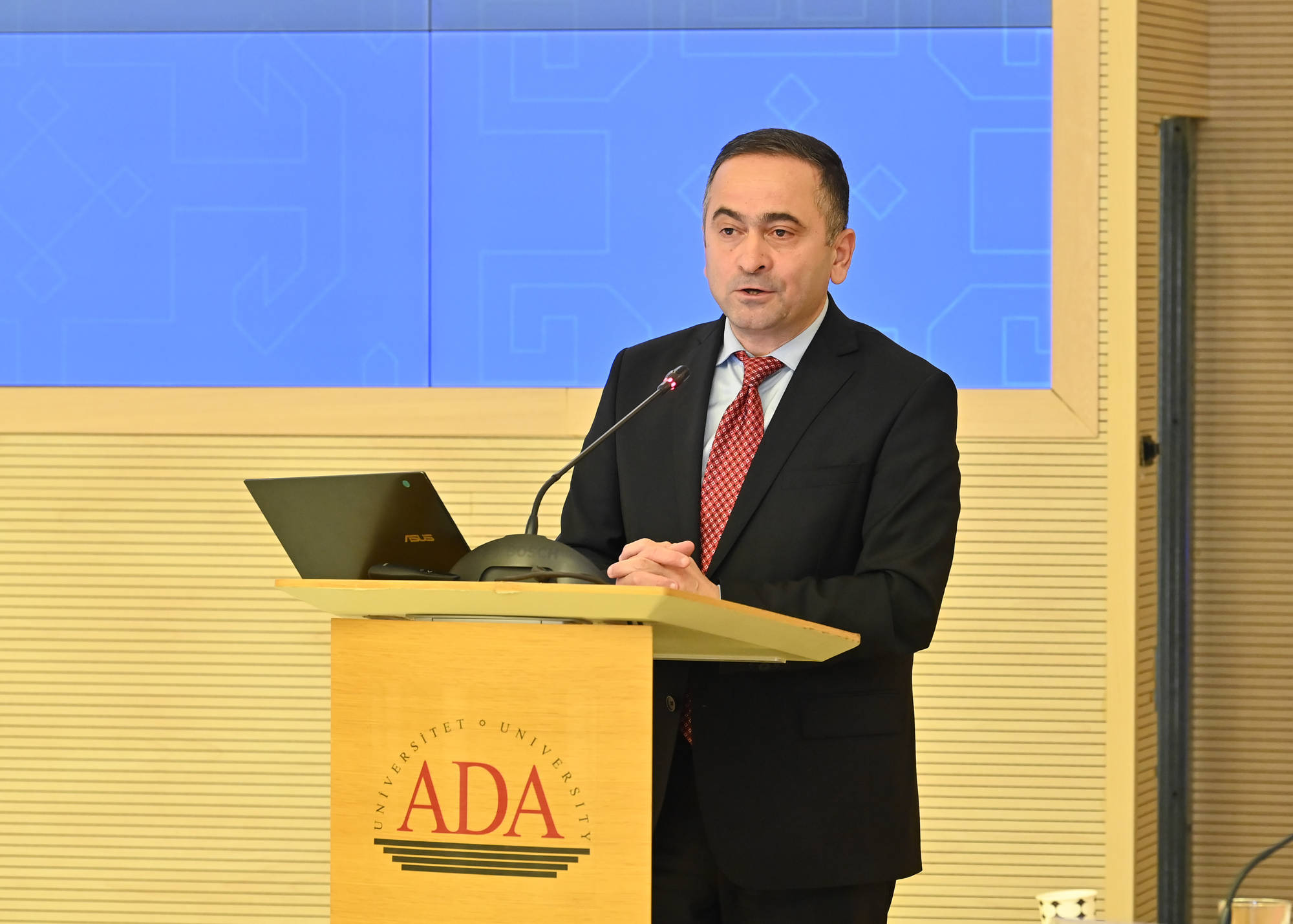
Elnur Aliyev who made speech with presentation on the subject of “Updating the state standards of general education and competencies of dialogue and digital citizenship therein” stated that, the special attention is paid to the development of digital skills of teachers and students, artificial intelligence and media literacy in the new preparing educational standards. He emphasized the importance of formation of competencies in students such as digital citizenship, intercultural dialogue, respecting to different opinions, substantiating their own position and critically evaluation of information.
Elnur Aliyev also noted the importance of determination of minimum requirements on digital skills of teachers and preparation of corresponding tools for assessment of intercultural dialogue competencies. He brought to attention that, the PISA 2029 international assessment will create opportunities in terms of determination of students’ media and artificial intelligence literacy, as well as improvement of educational standards.
Nijat Mammadli, the Chairman of the Board of Directors of the Education Development Fund, who made speech on the subject of “Cultural sovereignty in the age of artificial intelligence: whose values will form the future generation?”, drew attention to the impact of artificial intelligence on the thinking style, worldview and national-cultural values of youths. He stated that, artificial intelligence has become a part of daily life and acts as a new source of information for youths and emphasized the importance of studying the influence of the provided information and recommendations on the formation of their values.
Nijat Mammadli noted that, the answers given by different artificial intelligence models to the same questions can differ from the perspective of cultural approaches and suggested the conduction of comparative researches in this direction and creation of special evaluation mechanisms. He stated that, the main purpose is not to consider a certain cultural approach as absolutely correct, but to develop the skills of youths to think independently, evaluate information critically and protect their national-cultural values while using the artificial intelligence.
Jasarat Valehov, the advisor of the Minister of Culture, who made speech on the subject of “Art education in the digital period: development of creativity and approximation of cultures”, emphasized the importance of reconstruction of cultural and educational life in the territories liberated from occupation and restoration and development of art education institutions. He noted the importance of creation of creative opportunities in the social and cultural integration of children returning to their native lands and the role of music education in strengthening their self-confidence and sense of belonging.
Jasarat Valehov also stated that, digital technologies create new opportunities for expansion of educational relations between regions and for development of international cooperation. He drew attention to the importance of experience exchange and international cooperation with different countries in this direction.
The session concluded its work after speeches.
More News
-
The Ministry of Science and Education participated in the Central Asian International Education Forum
28.10.2026 - 18:58 -
A session on “Intercultural dialogue, education and digital transformation” was held
28.10.2026 - 16:57 -
Opening of the IE Leadership and Innovation Center in Baku
28.10.2026 - 11:54 -
The Ministry of Science and Education represented at high-level events held in Tashkent
27.10.2026 - 19:55 -
The Minister of Science and Education meets with the Science Minister of the Federal State of Saxony of Germany
19.10.2026 - 19:52